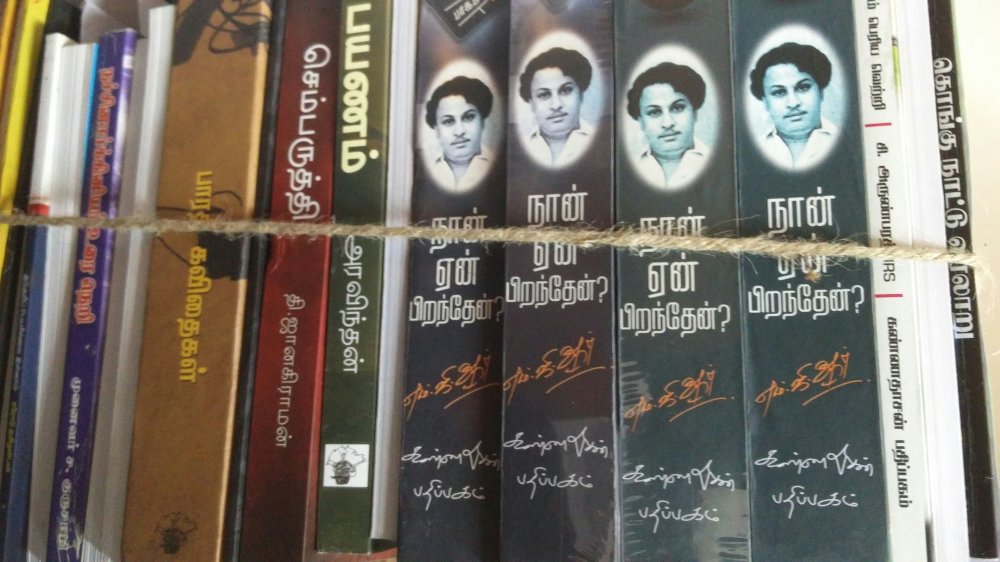
Tamil is not just a language. It is the first sound many of us heard as children. It is the script that carried our stories long before screens existed.
The Soul of a Language in the Digital Age
Tamil has survived kingdoms, invasions, oceans, and centuries. Yet today, in the digital age, it faces a quieter danger — being unreadable.
When Tamil Became an Image, Not a Language
Open an old Tamil book PDF. You can see the words. You can feel their weight. But you cannot search them. You cannot copy them. You cannot pass them easily to the next generation.
Thousands of Tamil books live today as silent images — locked inside scanned PDFs, written in legacy fonts like Bamini and TAB. They exist… but they don’t live.
And that realization hurt.
The Question That Wouldn’t Leave Me
At some point, a simple question started haunting me:
“If my eyes can read Tamil, why can’t my computer?”
Why should a language with over 2,000 years of history struggle to exist in a world that updates every six months? Why should our literature be invisible to search engines, AI, and accessibility tools?
That question became personal.
UniTamil Was Not Built — It Was Felt
UniTamil didn’t start as a product idea. It started as an emotion. It was born from:
- PDFs my father carefully preserved.
- Books my grandfather once read under a dim light.
- The fear that my child might never use Tamil the way I did.
I didn’t want Tamil to become a museum artifact — admired, but untouched. So I started building.

Technology, With Respect
UniTamil uses OCR, text extraction, and Unicode normalization. But beneath the code, the intention is simple:
- Let old Tamil books speak again.
- Let legacy fonts breathe in Unicode.
- Let Tamil exist freely in Markdown, search engines, and future tools.
- Do it offline, with dignity and privacy.
English text is preserved as-is. Tamil text is normalized, cleaned, and respected. No shortcuts. No cloud dependency. No compromise.
Why Unicode Is About Survival, Not Convenience
Unicode is not a technical upgrade. It is a survival bridge. Without Unicode:
- Tamil cannot be searched.
- Tamil cannot be indexed.
- Tamil cannot be trained into AI.
- Tamil slowly disappears from relevance.
UniTamil is a small step toward ensuring that doesn’t happen.

Why Open Source Matters Here
Tamil does not belong to a company. It does not belong to a single developer. It belongs to libraries, researchers, teachers, volunteers, and future generations.
That’s why UniTamil is open source. Not for fame. Not for profit. But for continuity.
A Personal Promise
UniTamil is my quiet promise to Tamil:
You carried us for centuries. Now we will carry you forward.
If even one forgotten book becomes readable again, if even one student can search, quote, or learn from an old text — then UniTamil has already done its job.
🔗 GitHub Repository
https://github.com/shameed/UniTamil
If you believe languages deserve a future — not just a past — you’re already part of this journey.